
Physician Assessment
Review symptoms, medical history and possible causes.
Pelvic Health
A coordinated pelvic-health programme combining medical assessment, targeted investigations, Rejuvenation C™ treatment and individualised physiotherapy.
For women and men · Approximately 3 weeks · 6 treatment visits
Physician-Led
Medical assessment and oversight.
6 Treatment Visits
Structured over approximately three weeks.
Combined Rehabilitation
Pelvic chair treatment + physiotherapy.
Women & Men
Individual pathways according to symptoms and clinical needs.
Pelvic-floor symptoms can affect:
Urinary, bowel or pelvic symptoms do not always have one simple cause. Pelvic-floor weakness may be part of the problem, but medical, structural, hormonal or functional factors can also contribute.
That is why Cayman Medical combines medical assessment, targeted investigation, pelvic-floor muscle stimulation and physiotherapy instead of relying on one treatment alone.
Understand the cause. Strengthen the pelvic floor. Improve control. Plan the next step.
What the Programme Includes
Review symptoms, medical history and possible causes.
Testing where clinically appropriate.
Non-invasive electromagnetic pelvic-floor stimulation.
Individualised rehabilitation and retraining.
Review symptoms and response through the programme.
Assess progress and decide the next stage of care.
Having one of these symptoms does not automatically mean pelvic-floor weakness is the cause. Your initial assessment helps identify what may be contributing and whether this rehabilitation pathway is appropriate.
Your Pelvic Rehabilitation Journey
Step 01
Physician assessment covering symptoms, medical history, relevant life events, goals and whether further investigation is needed.
Possible testing may include
when clinically appropriate.
Step 02
Initial physiotherapy assessment to understand pelvic-floor function and begin an individualised rehabilitation plan.
Step 03
Non-invasive, high-intensity focused electromagnetic stimulation of the pelvic floor — incorporated where clinically appropriate.
A typical 28-minute session produces more than 11,000 Kegel-equivalent contractions. This describes the stimulation delivered during treatment.
Learn about Rejuvenation C™Step 04
Chair treatment and physiotherapy address different parts of rehabilitation — and work best together.
Rejuvenation C™
Muscle activation / intensive stimulation
Physiotherapy
Control / coordination / functional use
Step 05
Around the midpoint of the programme, your physician reviews how you are responding.
Step 06
After the initial course, progress is reviewed and the next phase of care is planned.
Possible next steps
3-Week Programme at a Glance
A typical structure — commonly twice weekly. Exact scheduling and components remain subject to clinical need.
Visit 1
Physician assessment
Visits 2–3
Rejuvenation C™
Visit 4
Physician review
Visit 5
Rejuvenation C™
Visit 6
Final physician assessment
Visit 1
Physician assessment
Visits 2–3
Rejuvenation C™
Visit 4
Physician review
Visit 5
Rejuvenation C™
Visit 6
Final physician assessment
This is a typical programme structure. Your actual schedule, investigations and treatment components may vary according to your symptoms, assessment and clinical response.
Medical Oversight
Pelvic-floor symptoms such as urinary leakage or other pelvic concerns can have more than one possible cause.
Pelvic-floor weakness may be part of the problem, but some symptoms may require broader medical assessment or investigation.
If another condition is suspected, appropriate specialist referral may be recommended.
Pelvic rehabilitation should never delay appropriate investigation or treatment of another medical condition.
Chair + Physiotherapy
Rejuvenation C™
Pelvic Health Physiotherapy
Together → Strength + Control + Functional Use
Relevant across:
Relevant particularly for:
Many medically necessary parts of the programme may be eligible for insurance depending on the patient’s plan.
Potentially eligible components may include:
Coverage depends on:
Coverage varies by insurer and policy. Contact Cayman Medical before starting treatment if you would like to discuss your individual coverage.
Contact Cayman Medical About CoverageMedical assessment, treatment and rehabilitation connected in one pathway.
Medical evaluation before, during and after treatment.
Rejuvenation C™ integrated into broader rehabilitation.
Treatment designed around your function and goals.
Imaging or specialist referral can be coordinated when needed.
Care is delivered in a private, tranquil and confidential environment.
No. Rejuvenation C™ is one component of a coordinated pathway. The programme also includes physician-led medical assessment, progress review and individualised physiotherapy, with investigations or additional care considered where appropriate.
The initial programme typically includes six treatment visits over approximately three weeks, commonly scheduled twice weekly. Exact timing may vary according to clinical need.
Yes. Physician involvement is built into the pathway, including an initial assessment, a mid-programme progress review and a final assessment.
Testing is individualised. Depending on your symptoms and clinical circumstances, your physician may recommend investigations such as urine testing or selected pregnancy or hormone testing. Not every patient requires the same tests.
Yes. The pathway includes physiotherapy assessment and individualised rehabilitation support according to your clinical needs.
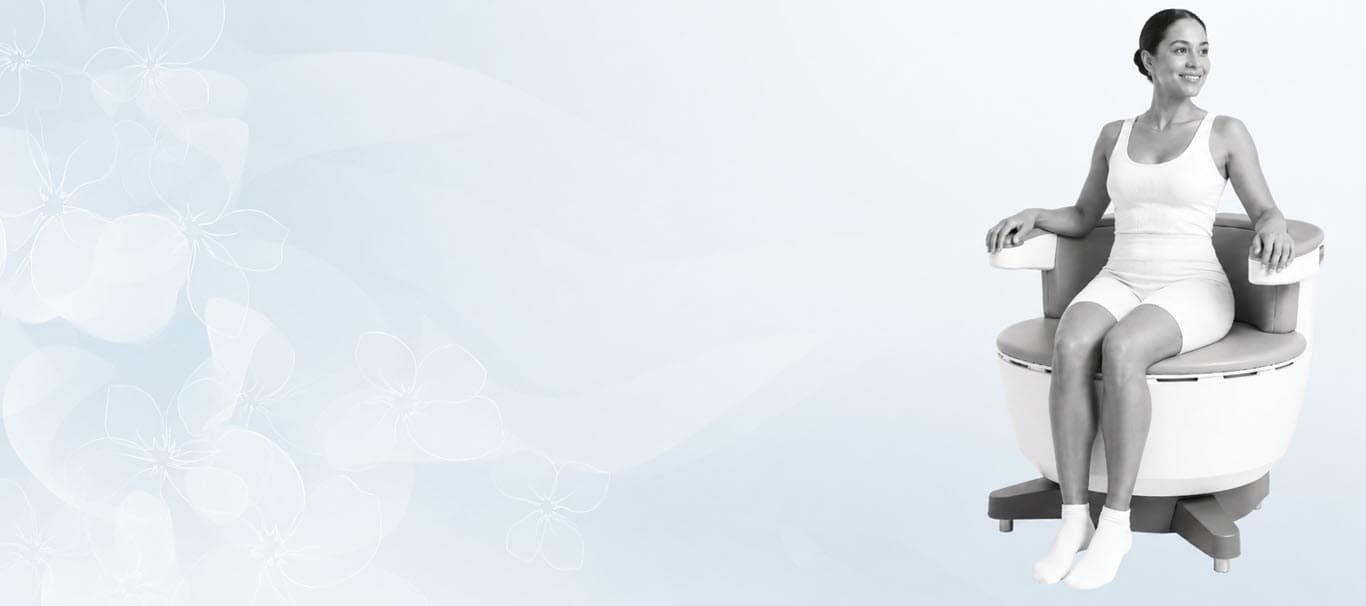
Rejuvenation C™ is an external electromagnetic pelvic-floor stimulation treatment performed while you remain seated and fully clothed. It may be included in your treatment plan where clinically appropriate.
No. Assessment and rehabilitation are available for women and men, with pathways tailored to individual symptoms and clinical needs.
Some medically necessary components — such as physician consultations, appropriate investigations and physiotherapy — may be eligible depending on your insurer, policy and clinical circumstances.
No. Pelvic symptoms have different causes and patients respond differently. No specific level of improvement or complete resolution of symptoms can be guaranteed.
Pelvic-floor symptoms do not have to be treated as an isolated problem. Start with an assessment to understand what may be contributing and whether Cayman Medical’s coordinated rehabilitation pathway is appropriate for you.
Related Care